
.png.2611030852021.webp)
Most homeowners do not think about their smoke alarms or electrical panel until something goes wrong. Maybe a detector starts chirping in the middle of the night, a breaker keeps tripping, or a home inspection reveals problems that have gone unnoticed for years.
November is a good time to check these systems before holiday decorations, space heaters, and extra cooking add more demand to your home. Whether you are preparing to sell, planning renovations, or simply want to make sure your home is safe, understanding what inspectors and electricians look for can help you catch problems early.
Smoke alarms: Placement matters as much as having them
One of the most common issues in older homes is missing or outdated smoke alarms. Many homeowners assume that one detector in the hallway is enough, but modern safety standards generally call for more coverage.
Smoke alarms should be installed inside every bedroom, outside each separate sleeping area, and on every level of the home. If you have a two-story house with bedrooms upstairs, that typically means alarms in each bedroom, the upstairs hallway, and the downstairs living area.
Interconnected alarms are another important safety feature. When one detector senses smoke, every connected alarm sounds. This is especially valuable in larger homes where someone sleeping behind a closed door may not hear an alarm on the opposite side of the house.
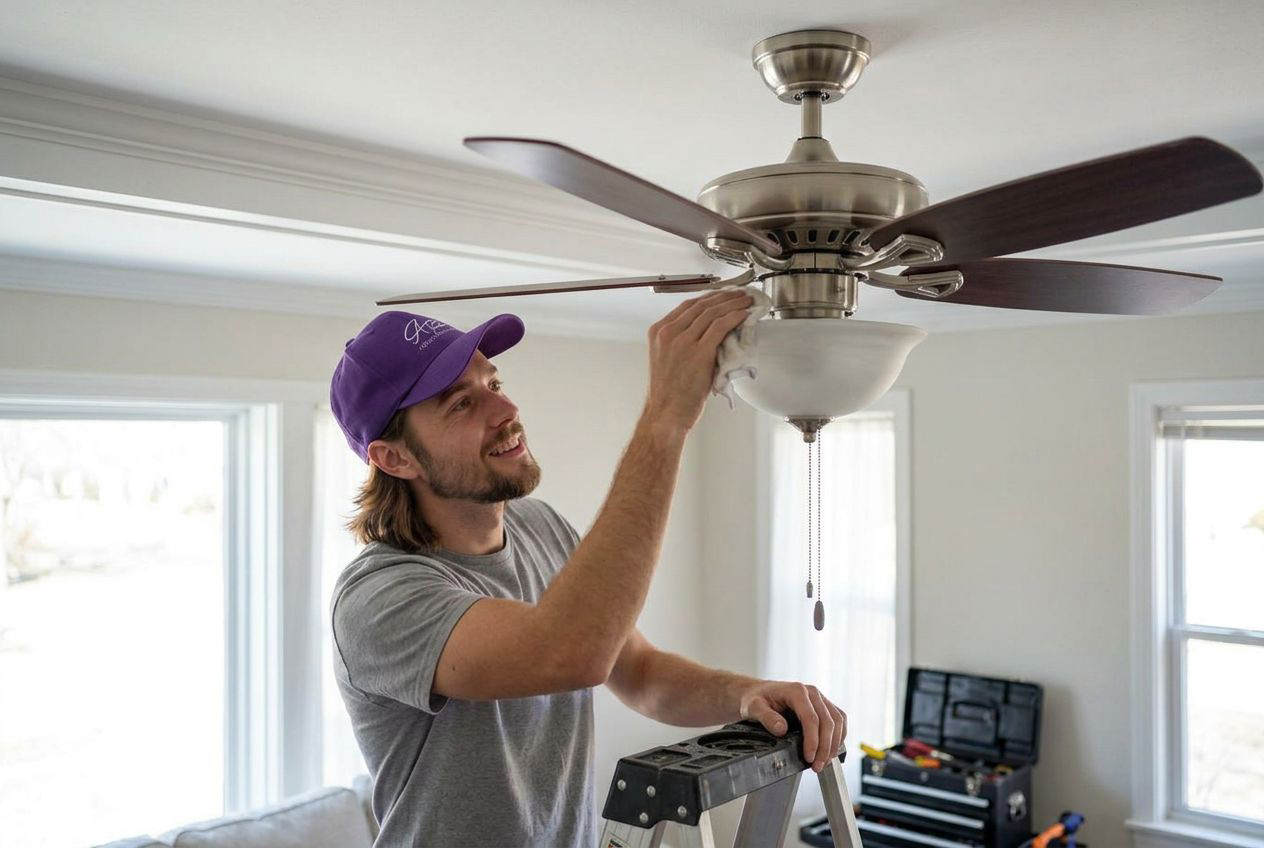
Placement also affects performance. Smoke alarms should generally be installed on the ceiling or high on a wall, following manufacturer instructions. Avoid locations too close to ceiling fans, HVAC vents, or cooking appliances that may interfere with detection or cause nuisance alarms.
A quick walk through your home can help you identify missing protection before an inspector does.
How old are your smoke and carbon monoxide detectors?
Having alarms in the right locations is only part of the equation. They also need to be within their recommended service life.
Smoke alarms generally need replacement every 10 years from their manufacture date, regardless of whether they still sound when tested. The test button checks important electronic functions, but it does not prove that an aging smoke sensor will perform properly in a real fire.
Carbon monoxide detectors have different replacement schedules, commonly between 5 and 10 years depending on the manufacturer and model. Combination smoke and CO detectors must also be replaced according to their specified service life.
Carbon monoxide is especially dangerous because it has no smell or color. It can come from malfunctioning gas furnaces, water heaters, fireplaces, and other fuel-burning appliances. Attached garages and improperly operated generators can also create dangerous conditions.
CO alarms are particularly important in homes with gas appliances, fireplaces, or attached garages. Placement requirements vary, but protection near sleeping areas and on each level of the home is a good starting point.
If you cannot remember the last time your detectors were replaced, check their manufacture dates. Test alarms monthly, replace batteries according to manufacturer instructions, and never remove a battery simply to stop a nuisance alarm. If an alarm indicates an actual smoke or carbon monoxide emergency, get everyone outside and contact emergency services.
What electricians actually look for at your electrical panel
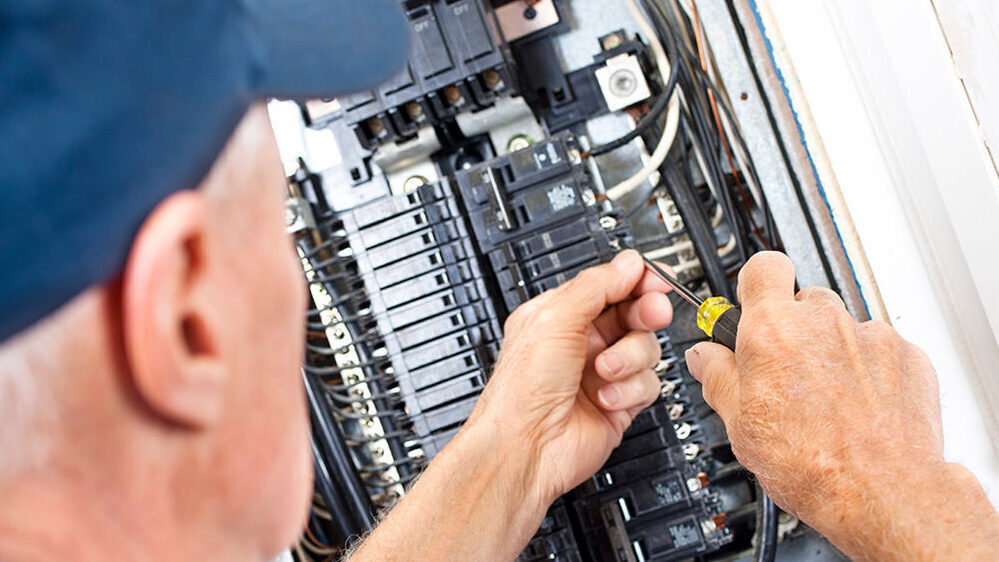
Your electrical panel may be working fine today, but that does not necessarily mean everything inside is in good condition. Some electrical problems develop slowly and may not cause obvious symptoms until a connection overheats or a breaker begins failing.
During a professional inspection, electricians look for improperly sized or incompatible breakers, loose connections, corrosion, overheating, damaged wiring, and grounding or bonding problems.
One common issue is double-tapped breakers. This happens when more than one conductor is connected to a breaker terminal that is not designed for multiple wires. Another concern is mismatched breakers that were installed during previous repairs without confirming compatibility with the panel.
These problems may not cause immediate failures, but they can create overheating and reliability issues over time.
As a homeowner, you can check several things without opening the panel. Make sure the breakers are clearly labeled, the panel is accessible, and there are no visible signs of rust, scorching, or water damage. Pay attention to buzzing sounds, burning smells, or breakers that repeatedly trip during normal use.
Do not remove the panel cover or attempt to tighten internal connections yourself. If a breaker trips immediately after being reset, leave it off and have the circuit evaluated.
It is also worth remembering that an older panel does not automatically need replacement. A professional evaluation can help determine whether targeted repairs are appropriate or whether the equipment has reached the point where replacement makes more sense.
GFCI, AFCI, and outlet problems inspectors commonly find
Outlets and switches are another area where electrical problems can go unnoticed.
GFCI protection helps prevent electric shock in locations where moisture increases risk. Bathrooms, kitchens, garages, and outdoor areas are common locations where this protection is required. Some outlets have their own Test and Reset buttons, while others are protected by a GFCI device elsewhere on the circuit.
AFCI protection helps reduce electrical fire risk by detecting certain dangerous arcing conditions. Modern electrical codes require AFCI protection on many circuits serving bedrooms, living rooms, and other areas of the home.
If your home is older, it may not have the same protection as newer construction. That does not automatically mean everything must be replaced, but it is worth reviewing during electrical improvements or renovations.
Inspectors also look for loose outlets, damaged cover plates, exposed wiring, and signs of overheating.
One simple check is whether plugs fit securely. If a plug falls out easily, only works at a certain angle, or feels unusually warm, the outlet may be worn or damaged.
Extension cords and power strips deserve attention too. They are convenient for temporary use, but they are not a substitute for properly installed outlets and circuits. If your home relies on extension cords for everyday appliances or electronics, adding outlets may be a safer long-term solution.
What is the difference between a home inspection and an electrical inspection?
Not every inspection covers the same things.
A general home inspection, such as one performed during a real estate transaction, typically evaluates accessible electrical components and identifies visible deficiencies. The inspector may report missing smoke alarms, improperly protected outlets, or warning signs at the electrical panel.
A licensed electrician can perform a more detailed evaluation when problems are identified. This may include checking panel connections, verifying breaker compatibility, testing circuits, and evaluating grounding and bonding.
Municipal electrical inspections are different again. These are typically tied to permitted work and focus on compliance with applicable electrical codes.
One important distinction is that older homes are not automatically required to meet every provision of the newest electrical code. However, unsafe conditions should still be corrected, and certain renovations or equipment replacements may require upgrades to current standards.
If an inspection identifies a problem, ask what needs to be corrected and why. Sometimes the solution is as simple as replacing a worn outlet or expired detector. Other times, the issue may involve outdated equipment or improper wiring from previous work.
Quick homeowner safety checklist
Before the holidays, take a few minutes to review the safety features around your home.
Check the manufacture date on every smoke alarm and replace units that are 10 years old or older.
Confirm smoke alarms are installed inside bedrooms, outside sleeping areas, and on every level.
Check carbon monoxide detector expiration dates and test all alarms.
Verify interconnected alarms activate together when tested according to manufacturer instructions.
Test GFCI outlets using their Test and Reset buttons.
Look for loose outlets, cracked covers, damaged cords, and flickering lights.
Make sure your electrical panel is accessible and breakers are clearly labeled.
Schedule an inspection if you notice repeated breaker trips, buzzing, burning smells, or signs of overheating.
Final thoughts
Electrical safety inspections are not just about passing a checklist. They help identify problems that can affect your home's safety and reliability. Properly placed smoke and carbon monoxide alarms, functioning GFCI and AFCI protection, and a well-maintained electrical panel all play an important role.
Many problems are easy to overlook when everything appears to be working normally. Checking your alarms, outlets, and panel before the holidays can help catch those issues before they turn into bigger repairs or safety concerns.
If you are preparing for a home inspection or want a professional review of your electrical system, A Team Home Services can help. Our licensed electricians can inspect your panel, evaluate safety devices, identify potential hazards, and recommend the repairs or upgrades your home actually needs.